According to the plastic surgery app, SoYoung, a total of 14-million Chinese people are expected to have cosmetic surgery in 2017. This number is an increase of 42\\% from last year. The number was calculated from several sources including the auditing and consulting firm, Deloitte. With this amount of people having plastic surgery, a good number of them look for ways to save money on their procedures. One of the cost-cutting methods gaining popularity is the DIY (do it yourself) route.
DIY Plastic Surgery in Asia
Hong Kong has plenty of surgeons that offer rhinoplasty surgery. There are also doctors that inject fillers to change the shape and volume of the nose. For people that don’t want to spend the money on medical surgery or fillers, there are other options such as nose slimmers, nose lifters and face slimmers.
Kimberly Nissen, an Australian beauty blogger who has undergone plastic surgery in the past, says many of these devices are selling “false hope”. Nissen says people are making themselves uncomfortable on purpose in the hope of seeing lasting results. She added that any results seen from using these DIY methods will fade once a person stops using the devices.
Nissen told the South China Morning Post that people should do their research before investing in a treatment with short-lived results. “Save the money you’d use on these devices and put them into a savings account. In a few years, you’ll be closer to affording the actual surgery.”
Experts say the DIY trend may represent desperation to gain a more Western appearance. In fact, there have been reports in recent years that have shown a growing number of Asians have a desire to look “more Western”.
On the other hand, South Korea has the highest rate of cosmetic procedures per person in the world. There are more than 4000 clinics that treat about 650,000 people in the country per year. The amount of patients also includes a large number of foreign visitors. Since South Korea attaches a little stigma to the practice of cosmetic surgery, the rise of DIY methods is widely accepted.
Critics warn against DIY methods saying they waste money and can cause possible injuries, disappointment with the results and even possible embarrassment when others see the final results.
Most Common DIY Procedures in Asia
There are several DIY procedures being used by individuals across Asia including:
Side Effects of DIY Procedures
There are a lot of risks associated with DIY procedures since they are carried out in uncontrolled environments under variable conditions. A couple of them include:
 0 Comments
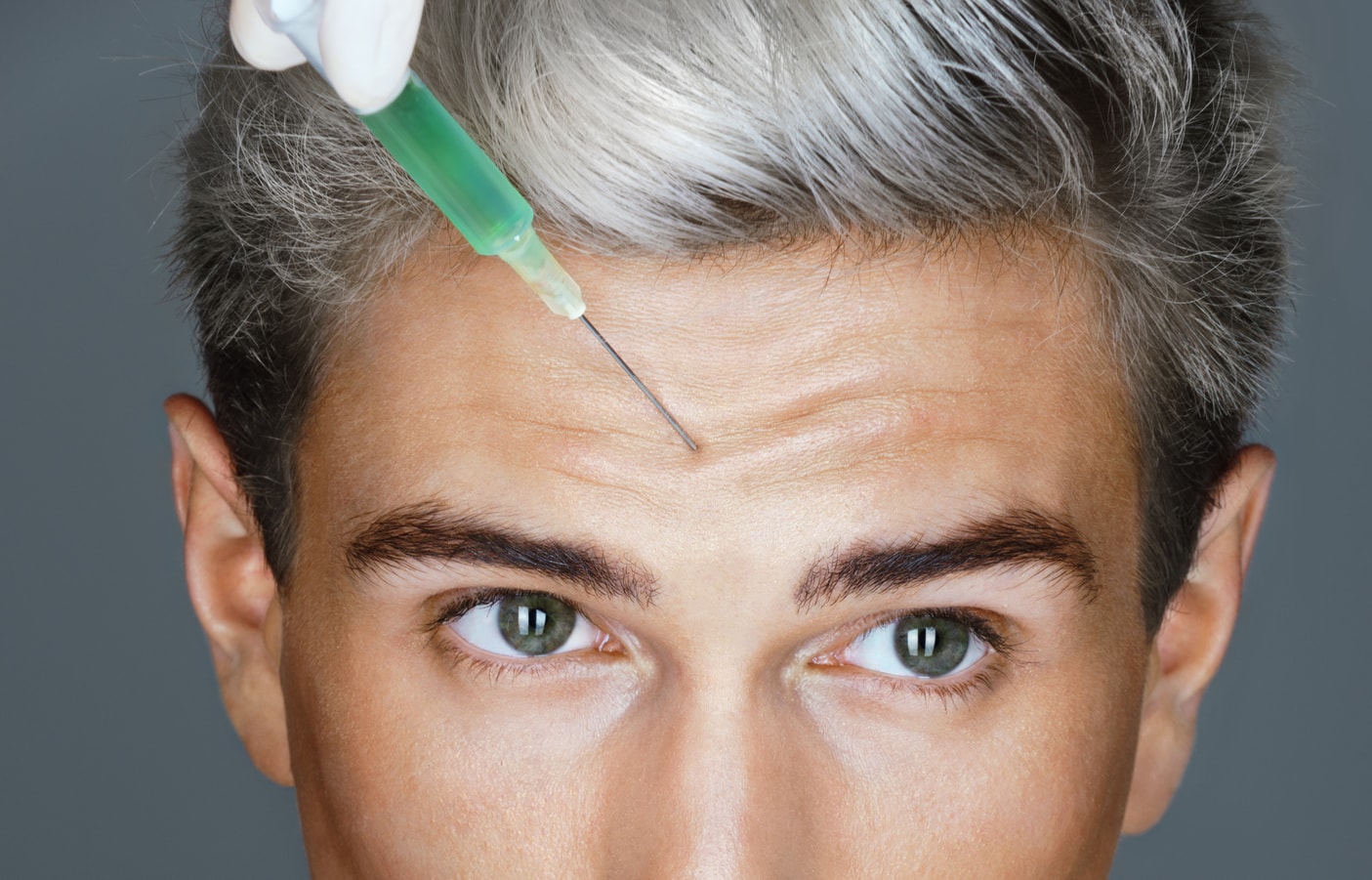
Male cosmetic surgery refers to a number of cosmetic surgery procedures to enhance or improve the features of a male subject. It provides an array...... Read more >

Fat Grafting, with concentrated stem cells is the process of adding volume to areas of the body, particularly the face, with high amounts of stem...... Read more >

Labiaplasty, AKA labia minora reduction and labial reduction, is a plastic surgery that decreases the size, or restructures the labia minora, also...... Read more >

Body contouring refers to any cosmetic procedure that alters the shape of the body by addressing areas of excess fat and/or skin. The most common...... Read more >

One of the most popular wedding dress silhouettes is the “mermaid” shape—and it’s no mystery why! The dress shape hugs the bride’s frame, widening...... Read more >