Do you have droopy eyelids? Are you bothered by pockets of fat in that area of the body? If so, you might be a good candidate for eyelid surgery AKA blepharoplasty. Eyelid surgery can be performed on both the upper and lower lids to improve their appearance. If you’re not familiar with the procedure, here is a rundown of all you need to know about eyelid surgery!
Eyelid Surgery Facts for You
Eyelid Surgery Combined with Other Procedures
Eyelid surgery is not a procedure that has to be strictly performed by itself. Some plastic surgery procedures that it is commonly combined with include a brow lift, a facelift and a number of skin rejuvenation and resurfacing procedures.
Eyelid Surgery Risks
Some of the possible risks of eyelid surgery include:
Different Eyelid Surgery Techniques
The three techniques used to perform eyelid surgery are:
Transconjunctival Blepharoplasty – This technique is usually performed on patients with small bags under their eyes. The incision for this technique is placed on the inside of the lower eyelid.
Upper Eyelid Surgery – A technique used to eliminate any excess skin or fat from the upper eyelid area.
Double Eyelid Surgery – This version is performed most commonly in Asian patients to create a crease in the upper eyelid. It is often used to create a more Caucasian look in the patient.
What to Know after Your Eyelid Surgery
Once the surgery is performed, you may temporarily experience:
In order to avoid any of the above conditions after the surgery, you should:
Schedule a Consultation Appointment with a Board-Certified Surgeon
Now that you have a better idea of what is involved with eyelid surgery, you should schedule a consultation appointment with a board-certified surgeon. An experienced surgeon can determine which technique will help you achieve your desired results. The surgeon will also set realistic expectations so you won’t be disappointed by the final results.
 0 Comments

There are a number of reasons patients need to undergo eyelid revision and reconstruction procedures. When patients have defects around the eyes...... Read more >

Internal and external browpexy are minimally invasive procedures performed to stabilize and lift the outer and central portions of the brow into a...... Read more >
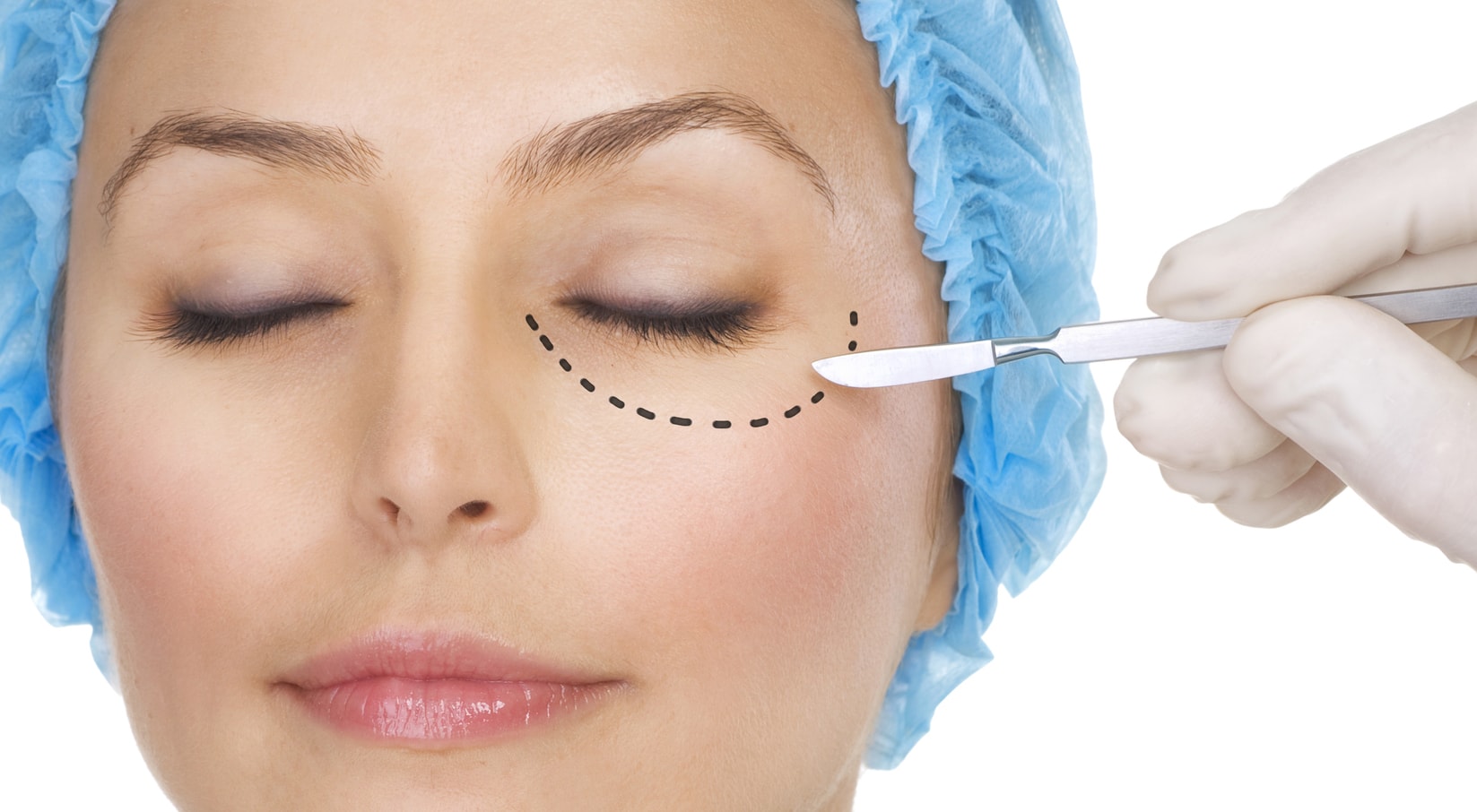
Lower blepharoplasty is a procedure that is also known as eyelid surgery or an eye lift. The surgery addresses the skin or both the muscle and the...... Read more >

Double eyelid surgery creates a crease that makes the eyes appear larger and more alert. While Caucasians typically are born with a double eyelid...... Read more >

Eyelid fat grafting addresses hollowness that exists in the upper and lower eyelid area. People tend to lose fat in these areas thanks to...... Read more >