Lorem ipsum dolor sit amet, consectetuer adipiscing elit, sed diam nonummy nibh euismod tincidunt ut laoreet dolore magna aliquam erat volutpat. Ut wisi enim ad minim veniam, quis nostrud exerci tation ullamcorper suscipit lobortis nisl ut aliquip ex ea commodo consequat.

Lorem ipsum dolor sit amet, consectetuer adipiscing elit, sed diam nonummy.
Lorem ipsum dolor sit amet, consectetuer adipiscing elit, sed diam nonummy.
Lorem ipsum dolor sit amet, consectetuer adipiscing elit, sed diam nonummy.
diam nonummy nibh euismod tincidunt ut laoreet dolore magna aliquam erat volutpat. Ut wisi enim ad minim veniam, quis nostrud exerci tation ullamcorper suscipit lobortis nisl ut aliquip ex ea commodo consequat. Duis autem vel eum iriure dolor in hendrerit in vulputate velit esse molestie consequat, vel illum dolore eu feugiat nulla facilisis at vero eros et accumsan et iusto odio dignissim qui blandit praesent luptatum zzril delenit augue duis dolore te feugait nulla facilisi.Lorem ipsum dolor sit amet, cons ectetuer adipiscing elit, sed diam nonummy nibh euismod tincidunt ut laoreet dolore magna aliquam erat volutpat. Ut wisi enim ad minim veniam, quis nostrud exerci tation ullamcorper suscipit lobortis nisl ut aliquip ex ea commodo consequat.Lorem ipsum dolor sit amet, consectetuer adipiscing elit, sed diam nonummy nibh euismod tincidunt ut
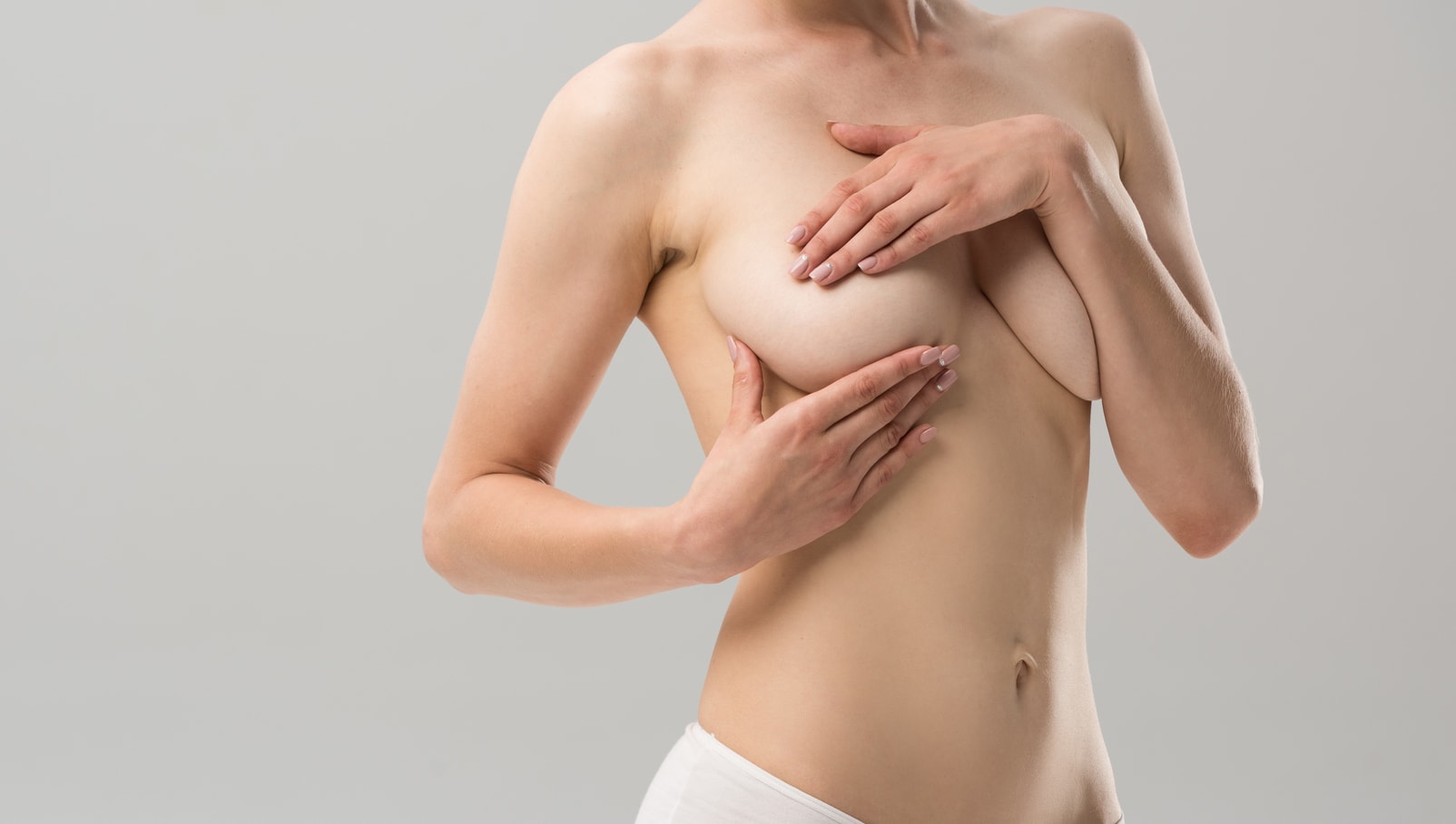
Acellular dermal matrices are soft tissue replacements obtained from a tissue bank that is sourced from either humans or animals. It is then processed so that it can be transplanted to a human patient. It functions as a skin graft but it is composed of only the deeper layer of skin (the dermis) and does not include the more superficial layer (the epidermis). Acellular dermal matrices (ADM) are approved by the FDA to reinforce soft tissue and have been shown to be helpful in providing better implant support and coverage as well as improved implant position control.
This tissue is used in breast augmentation and reconstruction to provide tissue where the patient does not have sufficient tissue or is lacking tissue that is elastic or strong enough to get the results desired by the surgeon.
This tissue is also used to help heal the skin for example when someone has lost skin from a burn. In the case of a burn it can be used as a graft to help heal the burn wound. In the breast surgery world, it is used to replace tissue that has been removed or to reinforce tissue that is weak. Even though it serves as a component of the skin (the dermis) when it is grafted, it is no longer actually skin. It is just a material that skin is made from and that is why the graft is called dermal matrix instead of skin.
ADM is a sheet of collagen and some other biological materials without any cells in it that commonly comes from human tissue banks, bovine (cow), or porcine (pig) sources. The sources are of different quality and have pluses or minuses depending on what the patient needs or the surgeon is looking for in terms of results. The human tissue ADM is more elastic while the porcine (pig) is stiffer. If the surgeon is looking at the tissue for replacement purposes and to not be particularly elastic, a good choice is the porcine. If the surgeon wants the tissue to be a little bit more elastic around the bottom of the breast and to balloon out at the bottom, the best choice might be the human tissue.
If patients want to achieve similar results by using their own tissue, they would have to be willing to give up a big swath of their own tissue. What ADM really does is replace the need for flap reconstruction techniques. Using the tissues of the patient and moving them around is painful and has certain risks associated with it. Simply putting tissues in the body, rather than moving the tissues of the patient, means less surgery as well as less pain and risk.
As mentioned above, the use of ADM replaces some flap reconstruction techniques but the difference is the ADM needs to have a living tissue outside of it to help support it and provide it blood supply. In other words, a surgeon cannot just put this on over an implant and expect the implant to heal. It needs to have the skin of the patient on top of the implanted material as well as pick up a blood supply.
There are different types of acellular dermal matrices and the one used by the surgeon depends on the needs of the patient. They can be used in breast augmentation but it would be very expensive. For example, a breast implant might cost a thousand dollars but using ADM to help cover some of that implant might cost two or three thousand dollars. It is reserved in breast augmentation for patients who had prior complications with breast augmentation such as tissue loss, tissues being too weak or too thin, or the patient developed a capsular contracture. These materials are very useful for stretched out skin, missing skin, and capsular contracture.
It is used a lot in breast reconstruction because the patient needs to support the tissues that are left and because insurance pays for it.
One limitation is that there needs to be a good blood supply and some healthy tissues for the procedure to work. The acellular dermal matrices need to be on something that is healthy enough that it can take root and get revascularized by the tissue that it is lying on. Once it is healed, it should have minimal scarring. If a patient has capsular contracture, which is basically an internal scar, a surgeon can remove the scar and put this tissue in its place. This should prevent it from scarring again because there will now be a supple lining around the implant.
The other big limitation is the expense it adds to a surgery. If somebody has capsular contracture and the surgeon is going to operate on them, the operation would normally cost $5,000-$6,000 dollars but adding dermal matrix to the surgical menu adds another $3,000-$4,000 to the expense.
The risks are pretty small and they include infections and seroma.
When compared to flap reconstruction, it is a much easier recovery. The addition of acellular dermal matrices to breast reconstruction allows the breast to look better in a quicker manner than previous techniques because there is now an elastic tissue at the bottom that supports and covers the implant. It also makes the recovery easier on the patient.
Once this material gets revascularized in the patient’s body, it is there for good and would not really interfere if somebody wants to get bigger implants in the future. The only reason it might be a problem is the fact that it kind of controls the space. A surgeon that wants to make the space much bigger might have to cut through it.
In general, ADM is one of the most significant and powerful changes in reconstructive and cosmetic breast implant surgery in the last 20 years. It gives a tissue option to patients who does not have any tissue or lack tissue that is elastic enough to support and cover an implant. Patients interested in this medical option should consult with a board-certified surgeon to see if they are qualified for this augmentation and reconstructive surgical procedure.
Written by Cosmetic Town Editorial Team - MA
Based on an exclusive interview with Scott Spear, MD in Washington, DC

There are times when politics go out the window when it comes to the individual desires of a person. It seems that someone who supports Democrats...... Read more >
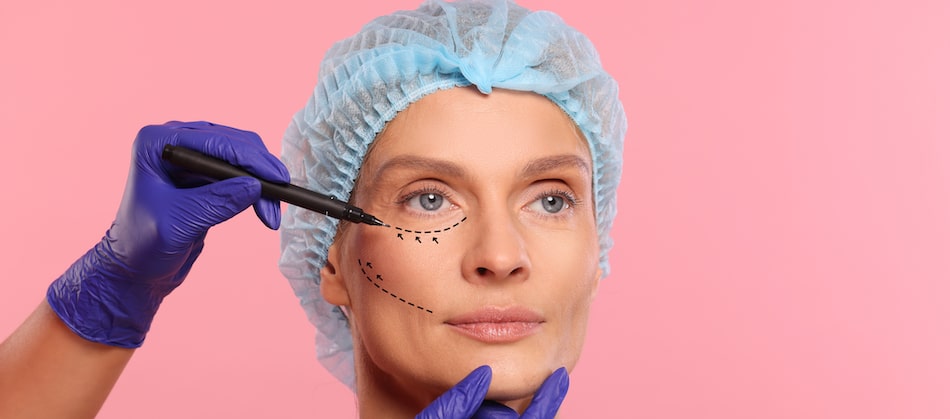
Cosmetic surgery continues to grow in popularity as patients undergo some of their favorite procedures including Botox, rhinoplasty, and fillers....... Read more >
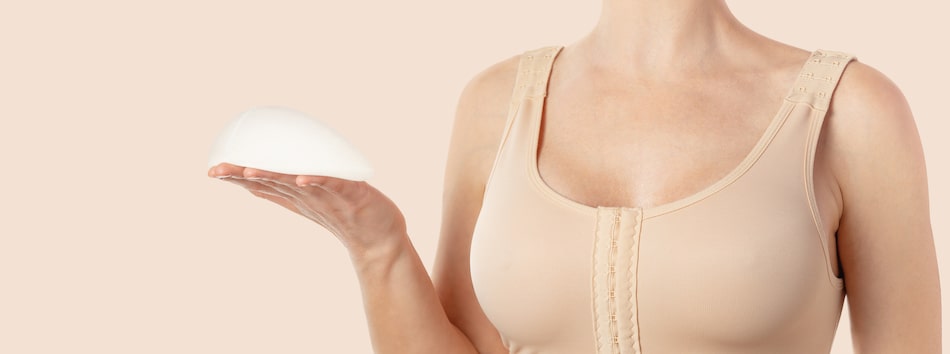
Breast augmentation surgery is a cosmetic procedure that allows patients to enjoy an increase in the size and shape of the breasts and also give...... Read more >

The decision to have cosmetic surgery is often driven by the desire to make changes to the look of certain parts of the body. The person might not...... Read more >

Earlier this year, the American Society of Plastic Surgeons (ASPS), a plastic surgery organization that represents 92% of all board-certified...... Read more >